Treatment Options for Alcoholism
What You Need to Know
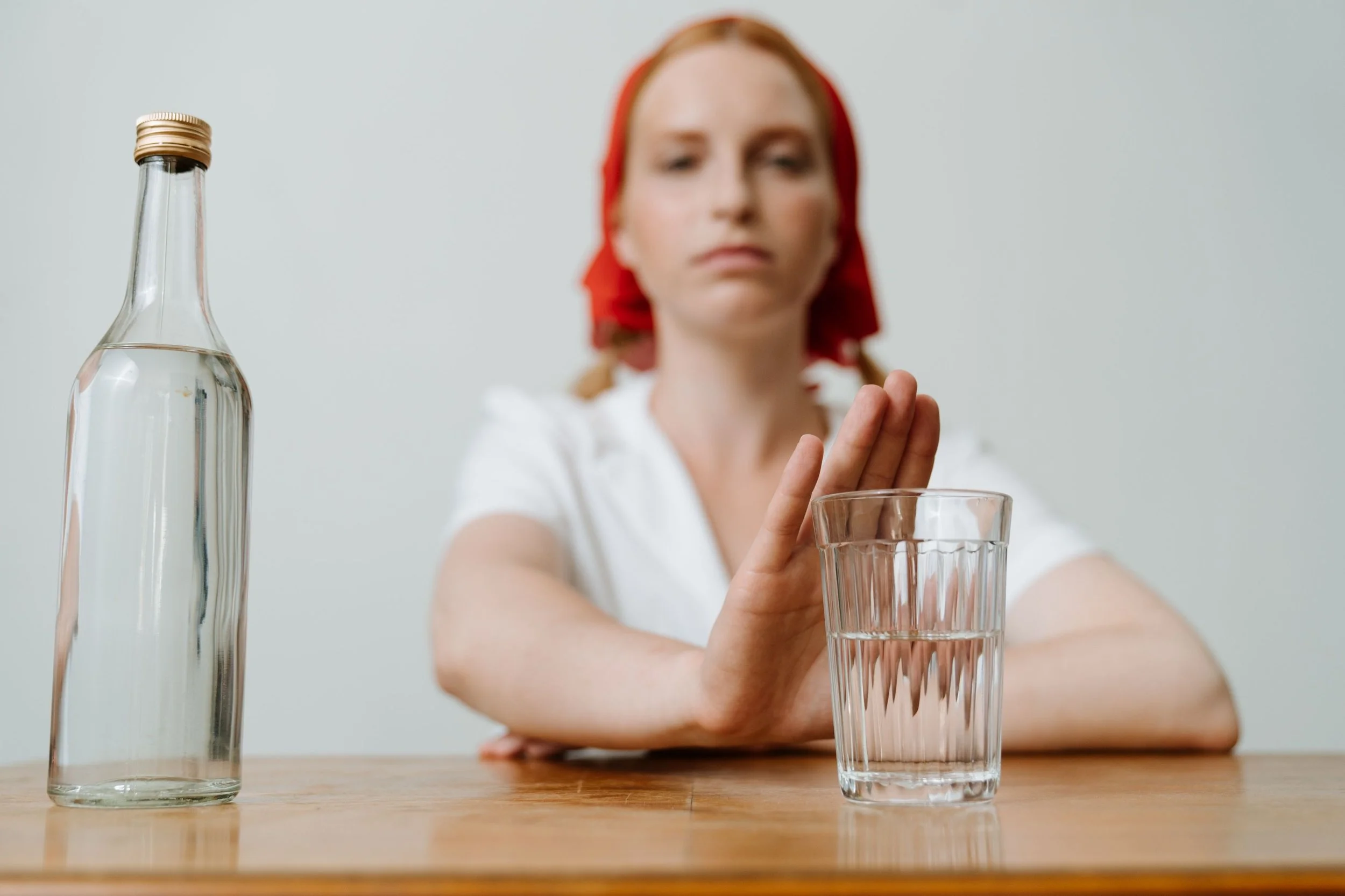
Receiving a diagnosis of Alcohol Use Disorder (AUD) is often the first step towards recovery. The next is understanding which treatment approach best suits your individual needs, circumstances, and recovery goals.
With so much information available online, it can be difficult to know where to begin. Counseling, behavioral therapies, medication, residential rehabilitation programs, recovery coaching, and peer support groups can all play an important role in treatment, but each serves a different purpose and may be more appropriate depending on the severity of the disorder and personal preferences.
At Your Sober Self, our aim is to provide clear, evidence-based information about the treatment options available for Alcohol Use Disorder. By understanding how each approach works, along with its potential benefits and considerations, you can make informed decisions and work with healthcare professionals to develop a recovery plan that meets your needs.
Why One Program Alone Isn't Enough
Recovery rarely comes from a single program. Most people end up leaning on a few tools working together.
Therapy Teaches You What's Driving the Drinking
A therapist helps you figure out what drinking is doing for you before it helps you stop. A few approaches show up often:
Cognitive behavioral therapy targets the thoughts that lead to drinking
Motivational interviewing meets you where you are, even if part of you isn't ready to quit yet
Family therapy works through whatever relationships got strained along the way
Sessions can happen one-on-one, in a group, or both.
Medication Treats the Biology Behind the Urge
Medication can play an important role in treating AUD by addressing the biological changes associated with alcohol dependence. Three medications are approved by the U.S. Food and Drug Administration (FDA) for AUD treatment:
Naltrexone, which helps reduce the rewarding effects of alcohol and can lessen cravings.
Acamprosate, which supports recovery by easing some of the symptoms that may occur after stopping drinking.
Disulfiram, which causes unpleasant physical reactions if alcohol is consumed, helping some people avoid drinking.
These medications are available by prescription and are not addictive. Like medication used to manage conditions such as high blood pressure or diabetes, they are intended to treat a recognized medical condition rather than a personal failing. A healthcare professional can help determine whether medication is appropriate and which option best suits your individual needs.
Rehab Provides a Chance for a Fresh Start
An inpatient rehab will isolate you from the surroundings and keep the medical team around you, but that’s important when the case is severe because the withdrawal from excessive alcohol consumption can be dangerous when left unsupervised.
Outpatient treatment is the milder form, allowing you to work while going to meetings weekly.
Coaching Keeps You Steady Between Appointments
A recovery coach works alongside whatever else you are doing:
Planning what to do on a sober weekend
Rebuilding a daily routine that used to revolve around drinking
Talking through a trigger the moment it shows up
That kind of support fills the gaps that weekly therapy rarely reaches.
Support Groups Remind You That You're Not the Only One
It's more often easier to recover when you have people who are understanding of what you're dealing with. Support groups offer an environment where members can share their experiences, listen to others, and find encouragement when facing challenging times.
Alcoholics Anonymous (AA) is a 12-step program that provides some people with encouragement, or you can use SMART Recovery, a self-management program that uses practical techniques. One style may not be right for everyone, so try a few different options until you find one that feels good.
You don't have to attend formal meetings to benefit from peer support. Communities like Your Sober Self offer honest stories, practical guidance, and a place to connect with others who are rebuilding their lives after alcohol.
Whether you're in question about drinking, actively recovering or in long-term recovery, having a supportive community can help you stay focused, accountable and aware that you're not going through this journey by yourself.
What Decides the Right Combination
There is no single treatment plan that works for everyone. The right combination depends on the severity of your addiction, your overall health, personal goals, and any co-occurring mental or physical health conditions.
Treatment may include behavioral therapy, medication, mutual support groups, or a combination of these approaches in either an outpatient or inpatient setting.
In accordance with the NIAAA Alcohol Treatment Navigator, evidence-based treatment is personalized for everyone.
Can Alcoholism Be Cured?
AUD is not considered curable because it is a chronic condition that affects brain function and behaviour. Like diabetes or high blood pressure, it requires ongoing management rather than a one-time treatment.
However, AUD can be successfully treated, and many people achieve long-term recovery or remission through medical care, therapy, support groups, and lifestyle changes. With the right treatment and continued support, lasting sobriety is possible.
What "No Cure" Actually Means
AUD is also not like a “sick” condition for which a person will simply get well after being prescribed a drug treatment. AUD is an illness which rewires the brain circuits in which decisions about reward and impulse control occur; it’s a condition which doesn’t “return to normal” after one stops drinking.
As defined by the American Society of Addiction Medicine, alcoholism is a chronic brain disease, just like asthma and high blood pressure are. The goal of treatment is not to get rid of the disease, but to learn how to live with it as a lifelong patient.
Due to the chronicity, AUD carries a real risk of relapse. According to the National Institute on Drug Abuse, a relapse rate of 40% to 60% for addicts has been documented.
For comparison, relapse rates are about 30% to 50% for type 1 diabetes and 50% to 70% for conditions such as asthma and high blood pressure. A relapse does not mean treatment has failed. Instead, it reflects the chronic nature of these conditions. Like diabetes or hypertension, Alcohol Use Disorder (AUD) requires ongoing treatment, regular support, and long-term management to help maintain recovery.
What the Research Shows About Long-Term Recovery
The data on recovery is more encouraging than many people expect.
Most people with AUD improve over time. According to NIAAA research, the majority of people with AUD can decrease their drinking and alcohol-related problems over time, with studies showing a reliable pattern of improvement. This counters the view that AUD only gets worse.
More than half of people surveyed no longer met AUD criteria. A 2019 analysis of nearly 7,800 people who had AUD found a substantial level of recovery. More than half reported no AUD symptoms, other than craving, in the previous 12 months.
Even partial recovery is meaningful. People in recovery who have some periods of heavy drinking after treatment can still reduce their alcohol-related problems by more than half, an improvement that can hold for many years.
Recovery usually takes fewer attempts than people fear. The median number of serious recovery attempts among people who resolved an alcohol problem is two. Knowing this can matter when someone is deciding whether to try again.
What Treatment Can Actually Do
There is no single treatment that works for everyone, but doctors have several proven options.
Medications: Three drugs are approved by the FDA for AUD: naltrexone, acamprosate, and disulfiram. These reduce cravings and lower the risk of relapse. They can be used alone or alongside other treatments.
Behavioral treatment: Talk therapy that is conducted between a person and a licensed therapist aimed at identifying triggers, developing a coping plan, and altering drinking patterns gradually over time.
Mutual-support groups: Peer support groups that often exist with continuing accountability; some are free, and many are now online.
Treating co-occurring conditions: This refers to treatment for anxiety, depression, sleep disorders, PTSD, etc. That co-occur with alcohol use disorder. Such treatment is an expected part of successful care, as many mental health conditions are associated with an increased risk of relapse.
People with severe AUD should always talk to a doctor before stopping drinking. Withdrawal can be dangerous without medical support.
Recovery Is Possible
Most people with AUD can recover, and they are usually doing that during their lifetime with few relapses. However, recovery starts to happen faster when they seek help early. The treatment also helps in moments of vulnerability and when they are experiencing major life changes and losses.
We have to understand that AUD is not a choice, nor does it mean that the patient fails his morals. It is a medical disease for which there exist treatments and an actual recovery possibility.