
What Is High-Functioning Alcoholism?

High-functioning alcoholism can be difficult to recognize because it often hides behind successful careers, stable relationships, and everyday responsibilities. In this article, you’ll learn what high-functioning alcoholism is, the common signs and symptoms, how it differs from heavy drinking, and why maintaining a normal life doesn’t necessarily mean your relationship with alcohol is healthy. If you’ve ever wondered whether it’s possible to be successful and still struggle with alcohol, this guide can help you better understand the warning signs.
Admitting You’re an Alcoholic: The Hardest Step Toward Recovery

Admitting you’re an alcoholic is one of the most difficult—and most important—steps on the road to recovery. In this article, you’ll learn why denial is so common, why accepting the truth about your drinking isn’t a sign of weakness, and how honesty with yourself can become the foundation for lasting sobriety. Whether you’re questioning your relationship with alcohol or supporting someone who is, this guide offers practical insights and hope for what comes next.
Dating in Sobriety: Building Real Relationships Without Alcohol

Dating after quitting alcohol can feel intimidating, especially if drinking was a big part of your social life. In this guide, you’ll learn how sobriety changes dating, how to build confidence without alcohol, navigate relationships with people who drink, recognize healthy boundaries, and create meaningful connections based on authenticity rather than intoxication.
How to help a struggling alcoholic

Supporting someone with alcoholism can be emotionally exhausting, especially when they don’t recognize they have a problem. While you can’t force someone to stop drinking, there are meaningful ways to encourage recovery without enabling harmful behavior. In this article, you’ll learn how to recognize the signs of alcohol addiction, have supportive conversations, set healthy boundaries, and take care of your own well-being while helping a loved one struggling with alcoholism.
Can Recovering Alcoholics Drink Non-Alcoholic Beer?
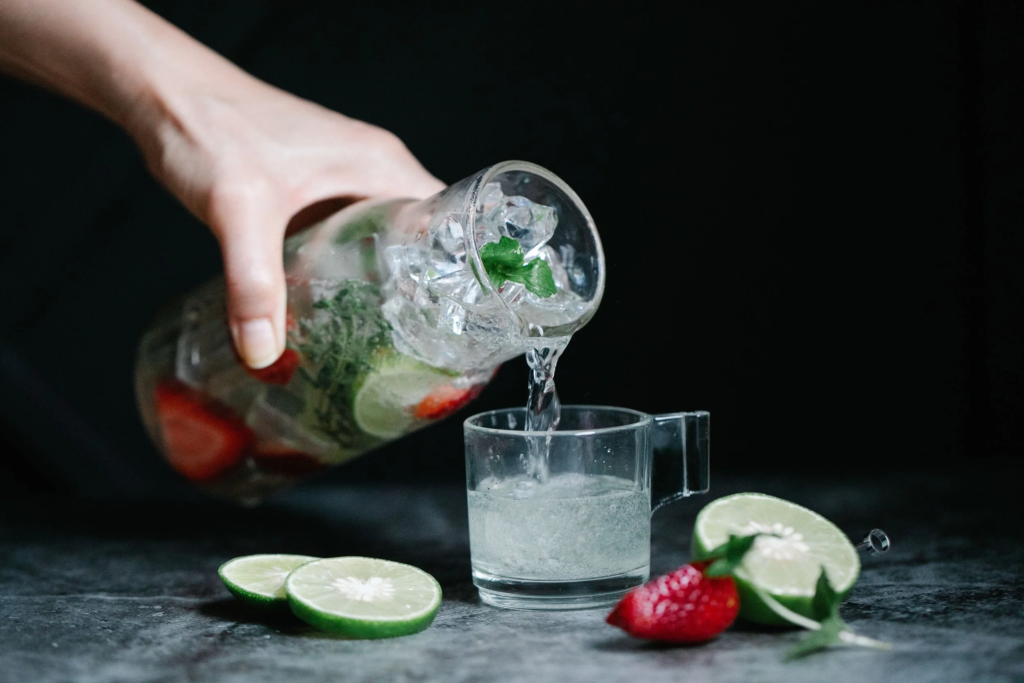
Many people in recovery wonder whether it’s safe to drink non-alcoholic beer. While some find that it helps them enjoy social situations without alcohol, others discover that the taste, smell, or ritual can trigger cravings and make sobriety more difficult. In this article, we’ll explore the potential benefits and risks of non-alcoholic beer for recovering alcoholics, discuss why the answer isn’t the same for everyone, and help you decide whether it supports—or threatens—your recovery journey.
What Alcoholism Really Feels Like (From the Inside)
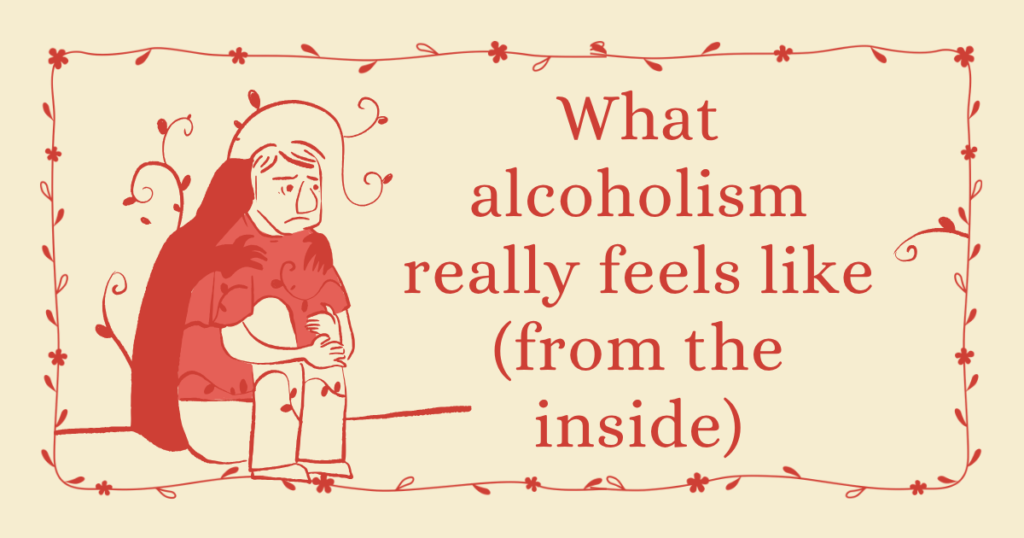
Most people who have not had a close encounter with alcoholism may have a stereotypical view of what it looks like—constant hangovers, terrible physical appearance, showing up drunk at inappropriate places and moments. It’s what we see in the movies and what we learn from popular culture. The constant drunkenness, the chaos, the homelessness, losing everything. These can all be present but they are not always the only indicators.
Confidence Is Built, Not Discovered

Confidence means being honest with yourself about who you are and what you are capable of. It means believing that you have unlimited potential while understanding that you are not a snowflake.
How to stay committed to sobriety

When you first quit drinking, the most important thing to do is to recognize your triggers and learn how to deal with them. By the time I quit drinking, everything was a trigger—anger, failures, victories, stress, anxiety, sadness. I didn’t need an excuse to drink, I needed one not to. Dealing with anxiety and depression alongside my alcoholism also meant there were deep psychological processes going on that worsened my addiction. It was a self-fulfilling cycle—depression led to drinking which led to more depression.
When Does Drinking Become a Problem?

Many people assume alcoholism means drinking every day or drinking enormous quantities. But quantities and frequencies may vary and don’t always point to alcoholism. There are people who are binge-drinkers. According to the National Institute on Alcohol Abuse and Alcoholism (NIAAA), binge drinking is defined as having five or more drinks in under two hours. Four drinks or more, if we consider only women.
What makes an alcoholic an alcoholic?

Alcohol Use Disorder (AUD) is a psychiatric condition referenced in the DSM-V that is characterized by a pattern of use or abuse of alcohol that causes social, physical and mental distress to the user. This includes binge-drinkers, people who drink every day, people who have exaggerated amounts of alcohol at once and those who can’t go even a few days without drinking.